Konsultasi Produk
Alamat email Anda tidak akan dipublikasikan. Bidang yang diperlukan ditandai *

A maintenance supervisor once handed us a worn hydraulic cylinder with no nameplate. The only reliable information was the stroke length and the volume of oil needed to extend it fully. To quote a replacement, they needed the bore diameter. The diameter of a cylinder formula turned that missing dimension into a straightforward calculation: d = 2 × √(V / (π × h)) . The same formula appears in routine geometry problems and in hydraulic cylinder sizing, but knowing how to apply it correctly matters more than just memorizing it.
For a right circular cylinder, volume is the product of the cross-sectional area of the base and the height:
V = π × r² × h
Since the radius r is half of the diameter d, substituting r = d/2 gives:
V = π × (d/2)² × h = (π × d² × h) / 4
Rearrange for d:
d = 2 × √(V / (π × h))
The formula works for any straight-sided cylindrical tank, pipe, or hydraulic tube as long as the height h is measured parallel to the axis and the volume is the internal volume. In hydraulic cylinders, h is the stroke length between fully retracted and fully extended positions.
| Symbol | Meaning | Common Units |
|---|---|---|
| d | Diameter of the cylinder bore | mm, cm, in |
| V | Internal volume | mL, cm³, L, in³, ft³ |
| h | Height or stroke length | mm, cm, in |
| π | Pi, approximately 3.14159 | dimensionless |
Always convert units before applying the formula. If V is in liters, convert to cubic centimeters by multiplying by 1,000 because 1 L = 1,000 cm³. If h is in millimeters, keep V in mm³ or convert to a matching unit. A mismatch between cubic units and linear units is the most common source of wrong results.
Example: A cylinder has an internal volume of 5,000 cm³ and a stroke of 40 cm.
d = 2 × √(5,000 / (π × 40)) = 2 × √(39.8) ≈ 12.6 cm
The bore diameter is approximately 126 mm.
Volume and height are not the only inputs available. Depending on what you can measure, one of these variations may be faster.
If you can wrap a measuring tape around a cylinder, circumference gives diameter directly:
d = C / π
This works for the outer surface of a tube or the outer diameter of a barrel. For a hydraulic cylinder, it gives the outside shell diameter, not necessarily the bore, so account for wall thickness before quoting a bore size.
Lateral surface area excludes the top and bottom circular faces:
A lateral = π × d × h
Therefore:
d = A lateral / (π × h)
Total surface area includes both circular faces and the lateral area:
A total = 2πr² 2πrh = (πd²)/2 πdh
Rearranging gives a quadratic equation:
d = −h √(h² 2A total / π)
This form is less common in industrial work because the lateral area and volume are usually easier to obtain than a reliable total surface area measurement on an installed component.
When selecting a hydraulic cylinder, the geometric diameter formula is only half of the story. The bore diameter must also generate the required force at the available system pressure. The hydraulic force equation is:
F = P × A = P × (π × d²) / 4
Rearrange for diameter:
d = √(4F / (πP))
For example, if a cylinder must push with 50 kN and the system pressure is 16 MPa:
d = √(4 × 50,000 / (π × 16,000,000)) = √(0.00398 m²) = 0.0631 m
The required bore diameter is about 63 mm. In practice, manufacturers select the next standard bore size, such as 63 mm or 65 mm, depending on seal availability and mounting dimensions.
The resulting bore size also affects the tube wall, end cap design, and piston rod thickness. A larger diameter increases thrust but also increases the oil volume per stroke, which affects pump flow and cycle time. For telescopic applications, each stage's diameter must fit inside the previous stage, so the volume-based formula is often applied stage by stage.
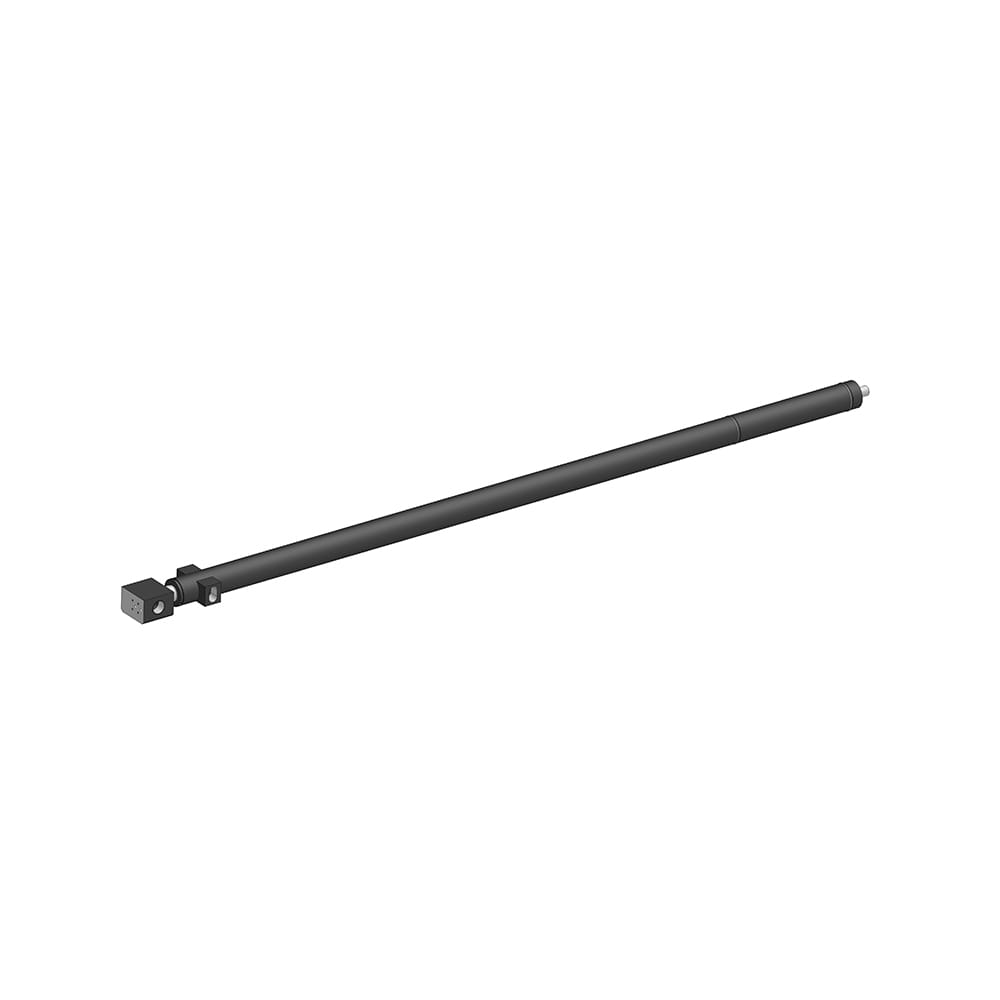 Truck-Mounted Crane Hydraulic Telescopic Cylinder This telescopic cylinder adjusts boom length for truck cranes. In bore-size calculations, its sequential and buffering features ensure smooth operation, so accurate volume-based measurement is critical for proper sizing. View Product →
 If nameplate data is missing, you can reverse-engineer the bore diameter with a volume measurement. Disconnect the hydraulic lines, retract the cylinder fully, and supply oil to the extend port until the rod reaches full stroke. Record the oil volume and the measured stroke. Divide the volume by the stroke to get the piston area, then convert area to diameter:
A = V / h
d = 2 × √(A / π)
This method gives the bore diameter assuming the oil is incompressible and the cylinder is fully bled of air. Be careful not to use the retract-side volume: when the rod retracts, the displaced volume is the annular area between the bore and the rod, so it is smaller than the full bore area. If you only have the retract volume, you also need the rod diameter before you can calculate the bore.
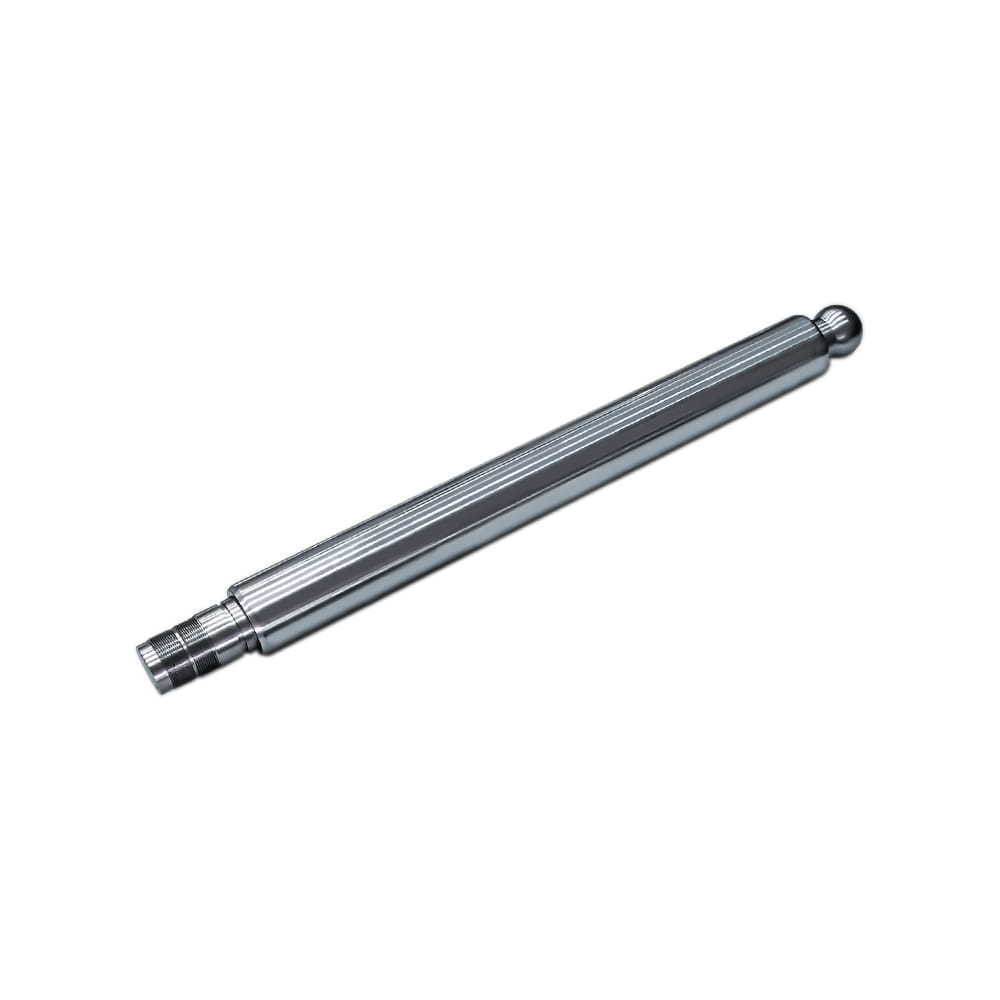 Hydraulic Cylinder Piston Rod for Force Transmission A piston rod transfers force and enables reciprocating motion within a hydraulic cylinder. When verifying bore dimensions, errors in volume data or rod diameter can invalidate calculations, making precise measurement essential. View Product →
 Even a correct formula gives an unusable result if the input data is wrong. These are the mistakes we see most often when dimensions are being verified:
| Mistake | Example | Consequence |
|---|---|---|
| Mixing volume and length units | Volume in liters with height in millimeters | Result off by a factor of 1,000 or more |
| Using radius instead of diameter | Solving for r but labeling it d | Replacement cylinder has half the required bore |
| Measuring outer diameter instead of bore | Writing down the tube OD without subtracting wall thickness | Oversized seals and incorrect piston fit |
| Using retract volume as bore volume | Oil to retract the rod is only the annular volume | Bore diameter calculated too small |
In manufacturing, bore tolerance is usually a few hundredths of a millimeter. A calculated diameter is a starting point, not a finish specification. The measured volume method rarely gives the accuracy needed for final machining, but it is enough to narrow the choice to the correct standard bore size or to start a conversation with a manufacturer about a custom cylinder.
The diameter of a cylinder formula may look simple, but in practice it connects geometry, fluid power, and manufacturing tolerances. Whether you are sizing a new cylinder from a force and pressure target, or reverse-engineering an old one from oil volume and stroke, the same relationship between diameter, area, and volume applies. For severe service in aerial work platforms, crane booms, and other mobile equipment, the bore diameter also has to fit within the mounting envelope and interact with the rod, seals, and end connections.
Before you finalize a bore size, review the key design considerations for a specific hydraulic cylinder application . When the forces, stroke, and available space are clear, a custom hydraulic cylinder can be designed to match the calculation instead of forcing a standard product into an unsuitable installation.
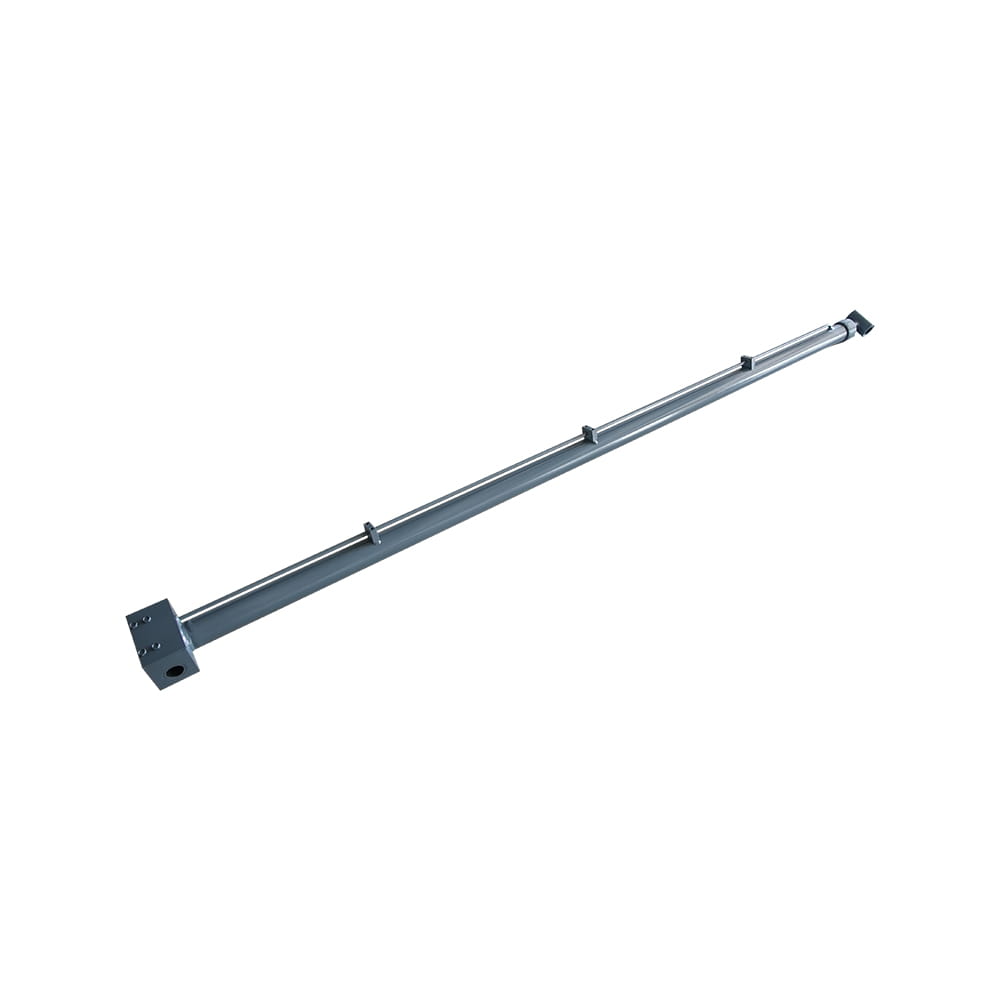 Boom Lift Aerial Platform Hydraulic Telescopic Cylinder This telescopic cylinder extends the working range of aerial platforms. For custom designs, aligning bore size with force, stroke, and space constraints ensures the cylinder fits your specific application requirements. View Product →
 Alamat email Anda tidak akan dipublikasikan. Bidang yang diperlukan ditandai *
Desain yang luar biasa bertemu dengan manufaktur yang ketat
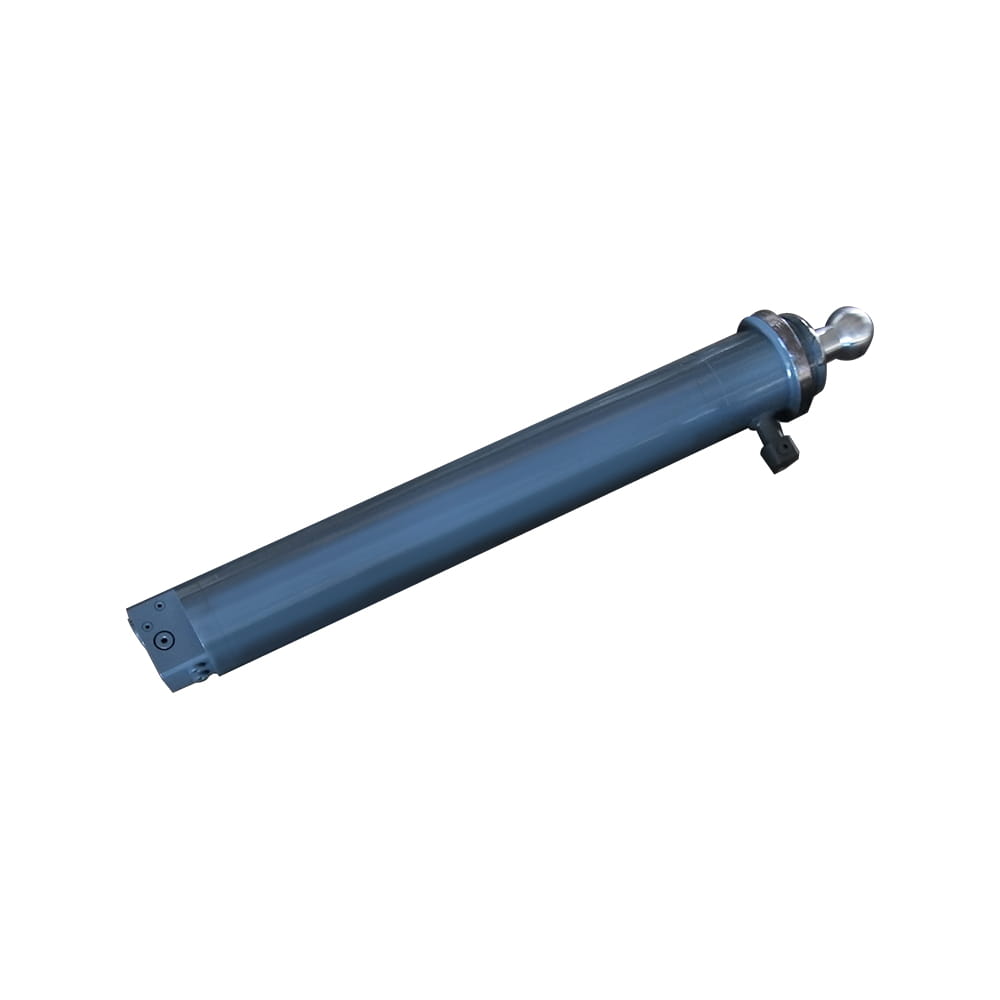 Silinder Outrigger Platform Hidraulik Scissor Lift
Fungsi: dengan tegas mendukung kendaraan: memastikan stabilitas selama operasi. Kaki kepala bola secara otomatis meratakan pada lereng, sedangkan katup kesei...
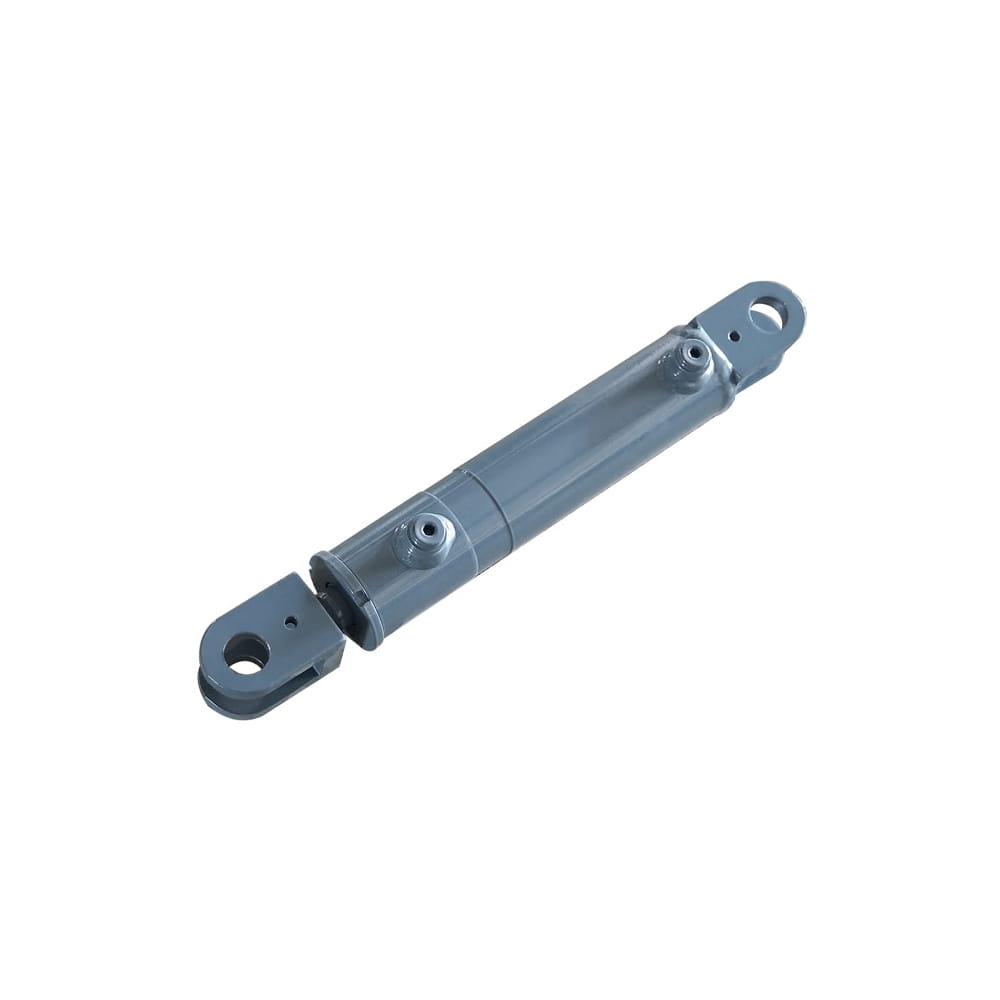 Silinder kemudi hidrolik gunting angkat scissor lift
Fungsi: Menghubungkan sasis dan hub roda: Melalui tekanan hidrolik, menggerakkan batang piston untuk bergerak, memungkinkan rotasi hub roda yang tepat. Ini m...
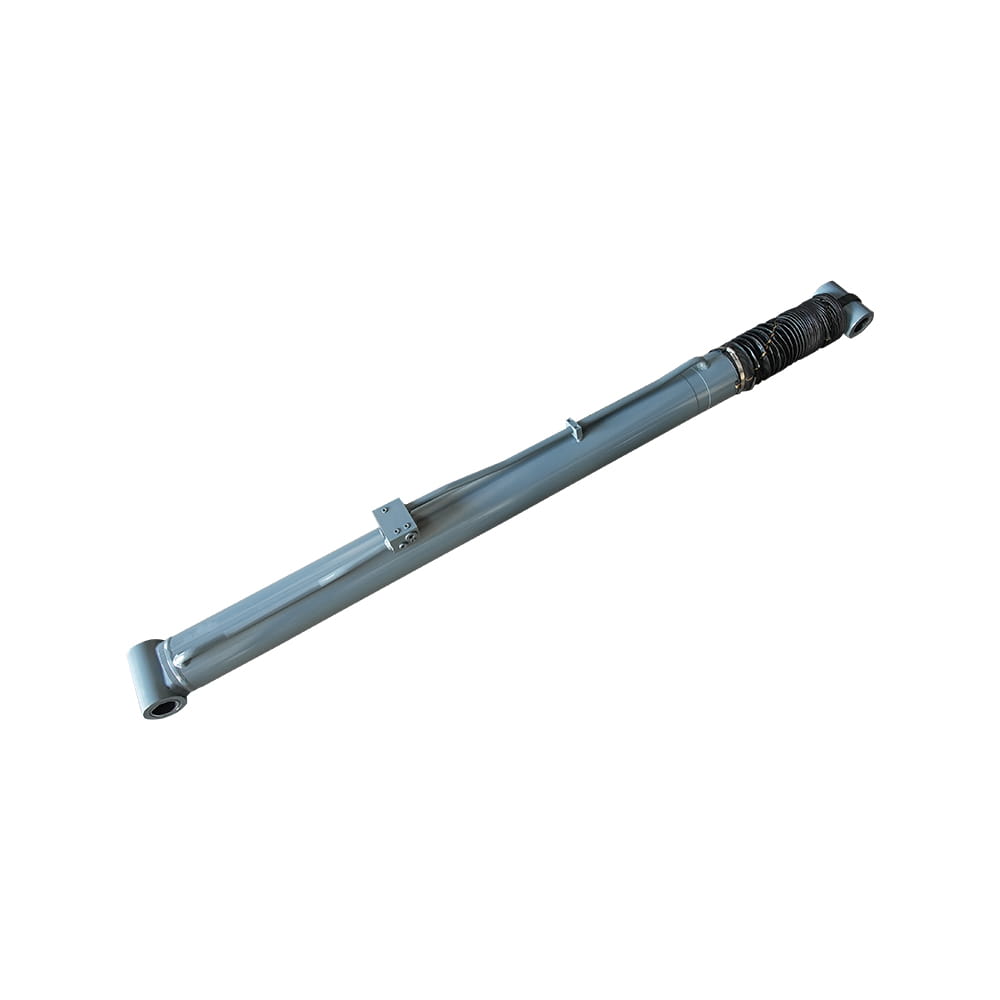 Boom Lift Aerial Platform Silinder Luffing Hidraulik
Fungsi: Sesuaikan sudut lengan teleskopik untuk memposisikan platform kerja secara fleksibel di berbagai ketinggian dan posisi, memenuhi persyaratan kerja ud...
 Boom Lift Aerial Platform Silinder Teleskopik Hidraulik
Fungsi: Sesuaikan panjang lengan untuk memungkinkan platform kerja udara untuk mengangkat dan bergerak secara fleksibel, memastikan persyaratan jangkauan dan...
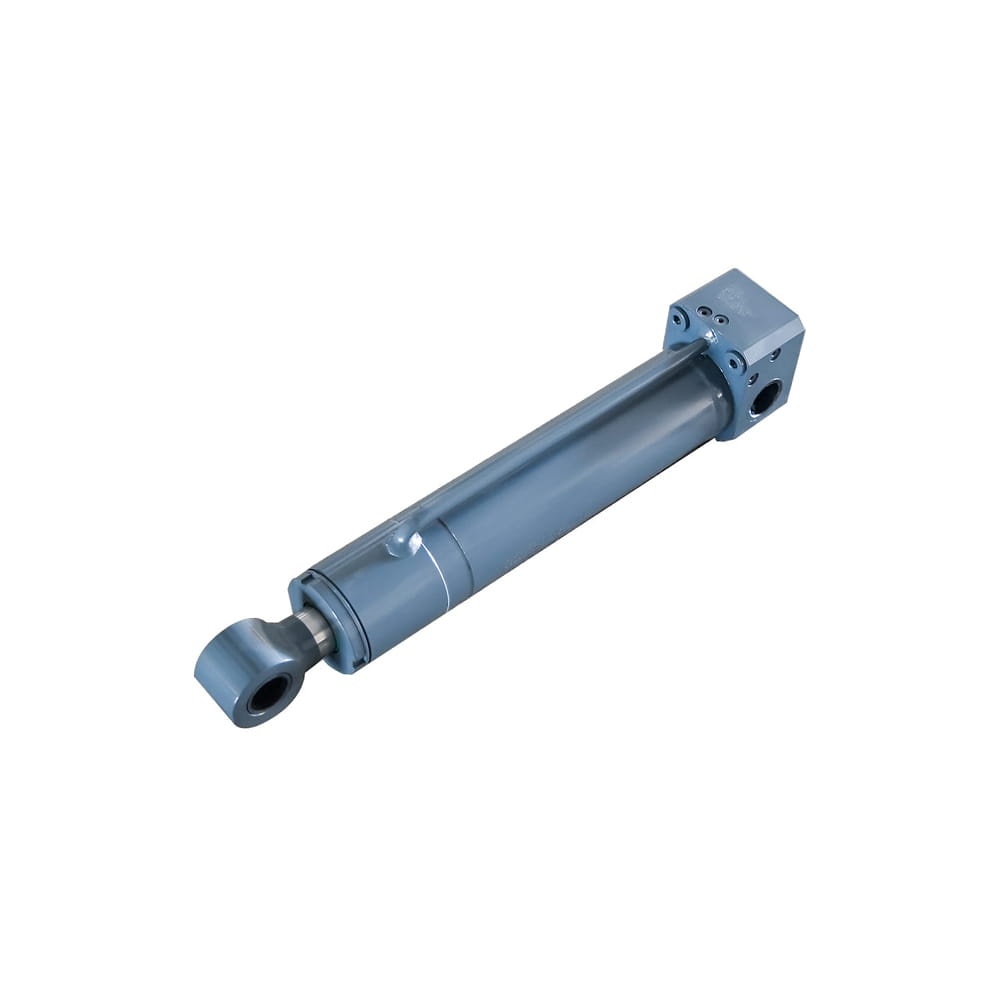 Boom Lift Aerial Platform Silinder Leveling Bingkai Hidraulik
Fungsi: Secara otomatis menyesuaikan sasis di bagian bawah platform ke keadaan level, memastikan dukungan stabil dan bebas goyangan di berbagai medan dan lin...
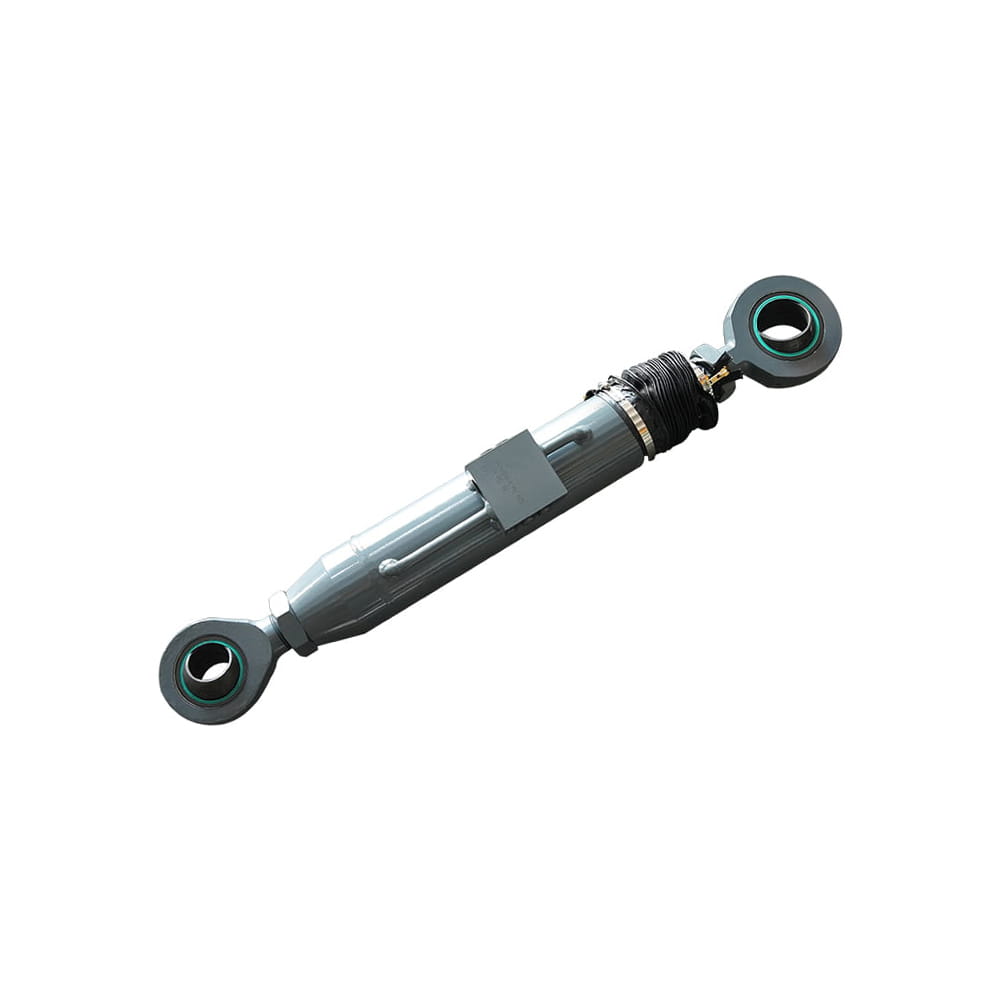 Boom Lift Aerial Platform Silinder Ekstensi Jembatan Hidraulik
Fungsi: Desain penting yang meningkatkan kemampuan beradaptasi dan rentang kerja. Fungsi ini memungkinkan platform untuk memperluas sasisnya dalam kondisi te...
Copyright © by Zhejiang Huanfeng Machinery Co., Ltd. Rights Reserved.
